 CaliVapeKing
Conduction vs Convection
This is the single most important thing to understand before buying any vaporizer. Every device uses one of two heating methods — and they produce fundamentally different experiences.
Your material sits against a heated surface. Like a pan on a stove — fast, efficient, and found in most budget-to-mid vapes.
- Fast heat-up (20–60 sec)
- Battery-efficient
- Most affordable category
- Stir mid-session for even extraction
Superheated air flows through your material. Like a convection oven — even, thorough, and the gold standard for vapor quality.
- Even extraction every draw
- Smoother, more aromatic vapor
- No hot spots or combustion risk
- Typically $200+ price range
Portable vs Desktop
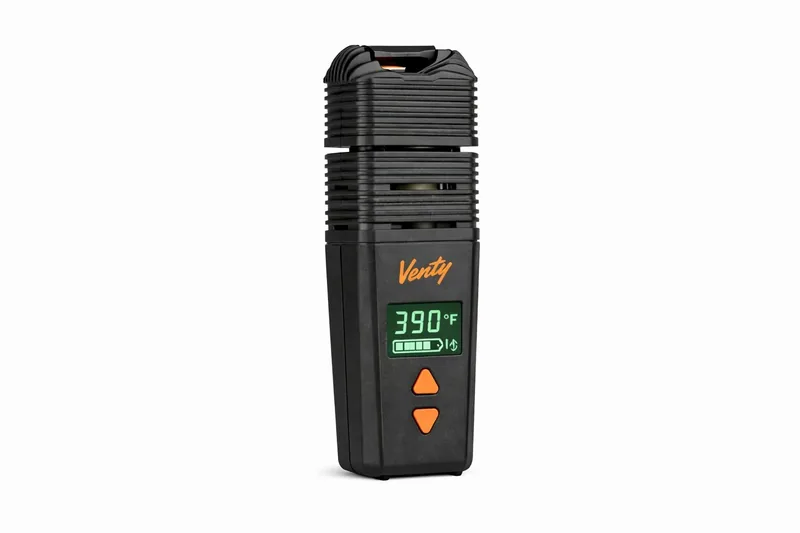
Portable Vapes
Battery-powered, pocket-friendly, and session-ready anywhere. Modern portables are precision instruments — not compromises. The S&B Venty heats up in 20 seconds, runs 60+ minutes on a charge, and delivers vapor that rivals desktop units from three years ago.
Best for: daily drivers, people who vape in multiple locations, or anyone who wants one device that does it all. Portables in the $200–$450 range have essentially closed the gap with desktop units for solo sessions.
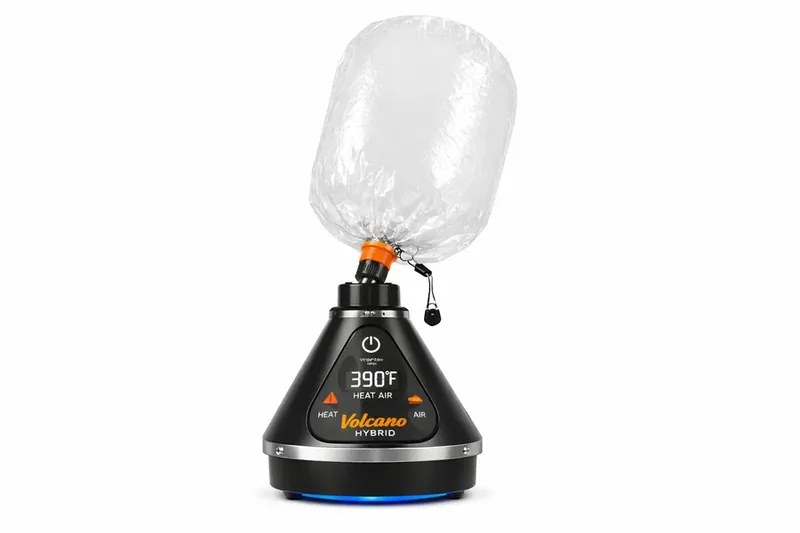
Desktop Vapes
Plugged in, powerful, and purpose-built for premium sessions. Desktop units — especially the Volcano Hybrid — deliver vapor density, consistency, and longevity that no portable can match. The Volcano has been in production since 2000 and units from that era still run today.
Best for: home use, group sessions, and anyone who treats vapor quality as the only variable that matters. The tradeoff is obvious: it lives on your table. You don't carry it to the couch.
How To Use Your Vape
Follow these steps every session. The difference between a great session and a wasted bowl is almost always in the prep.
Grind Your Material
Medium-fine and consistent — fluffy, not powder. A 4-piece grinder is worth every dollar. Too fine clogs screens; too coarse wastes material.
Pack the Chamber
Fill loosely — 60–80% for portables. Never compress. For conduction: full chamber improves contact. For convection: leave room for airflow.
Set Your Temperature
Start at 170–185°C (338–365°F). Work up from there. Low = flavor. High = density. Never exceed 230°C.
Wait for Full Heat-Up
The first draw before temp is reached wastes material. Portables vibrate or beep. Desktops need 3–10 min to stabilize thermally.
Draw Slow and Steady
5–10 second draws, like sipping through a straw — not drinking through one. Rapid pulls cool the chamber and waste vapor in convection units.
Stir Mid-Session
For conduction: stir halfway for even extraction. Watch your ABV color — even light tan means you did it right. Dark brown = too hot.
Empty While Warm
Tap out spent material while the device is still warm — residue clears much easier. Let it cool fully before storing or cleaning with ISO.
Save Your ABV
Already-Vaped Bud still contains cannabinoids. Save it in a jar. Use it in edibles, capsules, or a second pass with a water pipe attachment.
Temperature Guide
Temperature is the biggest variable in your experience. Different compounds activate at different temps. Start low, climb slowly — your personal sweet spot is somewhere in the middle.
338–356°F
356–374°F
374–401°F
401–419°F
419–446°F
Pro Tips From Real Use
The Mid-Session Stir
A quick stir exposes fresh herb to heat, nearly doubling extraction efficiency — especially critical in conduction units. Don't skip it.
Moisture Matters
Bone-dry herb combusts easier and tastes harsh. Slightly moist, properly cured herb produces smoother, more aromatic vapor at lower temps.
Sip, Don't Chug
Slow 8-second draw, hold 2–3 seconds. For desktop bags, slow controlled exhales maximize uptake. Quality of draw matters as much as temperature.
Cleaning & Care
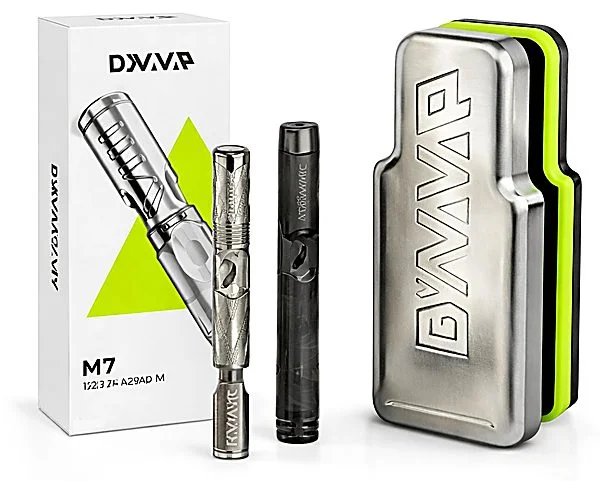
A clean vape delivers better flavor, better vapor quality, and lasts years longer. Build these habits from day one. The difference between a well-maintained device and a neglected one is night and day.
Empty While Warm
After every session — invert and tap. A small brush sweeps out fine particles before they harden and clog screens.
Wipe the Mouthpiece
91%+ ISO on a cotton swab, swipe the mouthpiece and vapor path interior. Residue here most impacts flavor.
Brush the Screen
Use the included brush or a soft toothbrush. Clogged screens kill airflow. Replace screens every 1–2 months.
Soak Glass Parts
ISO soak for 30 minutes, rinse with hot water, dry completely. Never use water near electronics or the heating element.